

- KR Bharat
- 2025-11-12
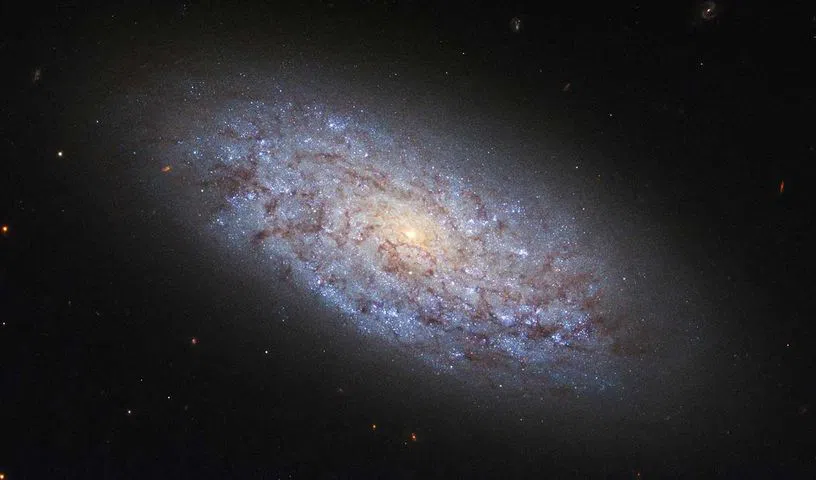
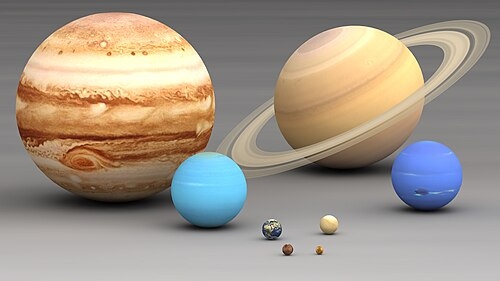
The Rare Earth Hypothesis proposes that while microbial life might be common in the universe, complex, intelligent life is extremely rare due to a unique combination of planetary, stellar, and cosmic conditions on Earth. Recent studies and exoplanet discoveries have prompted scientists to re-evaluate the likelihood of Earth-like planets supporting advanced life, weighing factors such as stable climates, plate tectonics, magnetic fields, and protective giant planets like Jupiter.
Current research suggests that while Earth may not be entirely unique, the precise alignment of conditions that allowed complex life to thrive here is uncommon. Astrobiologists continue to explore these criteria using space telescopes, exoplanet surveys, and computer modeling, aiming to refine our understanding of life’s potential elsewhere in the galaxy. The discussion also raises profound questions about our place in the cosmos and the future of space exploration.